
Red Oak Stationary Shelf vs. Floating Shelves: Why I Chose a Countertop Shelf for My Kitchen
- allisonkayesdesign

- Jul 2, 2024
- 2 min read
Updated: Aug 8, 2025
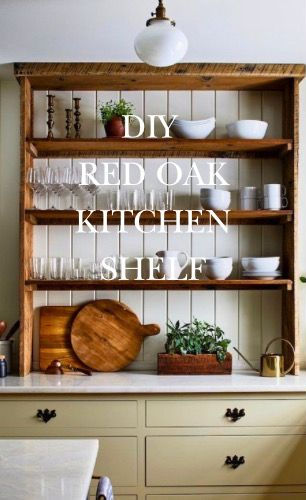
When planning my kitchen design, I faced a popular choice: floating shelves or a stationary shelf on the countertop. While floating shelves can look sleek and modern, I ultimately built a custom red oak stationary shelf—and it’s one of my favorite features in the room.
Here’s why I made this choice, plus the key benefits of a stationary countertop shelf compared to floating shelves.
1. Weight Capacity You Can Rely On
One of the biggest drawbacks of floating shelves is their weight limit. Even with professional installation, they have restrictions—especially for heavy items like stacks of plates, glass serving bowls, or small appliances.
A stationary shelf on the countertop solves this problem. Because the shelf is supported from beneath, it can hold significantly more weight without stress on the wall. My red oak shelf comfortably supports heavy cookbooks, ceramic canisters, and even my stand mixer.
2. Timeless Style and Lasting Durability
While floating shelves are stylish right now, they tend to lean toward trends that may fade over time. A solid red oak shelf offers a timeless, classic look that works in both modern and traditional kitchens.
Red oak is known for its strength, resistance to wear, and beautiful wood grain, making it a material that will last for decades. Instead of replacing shelves later, I’ve invested in something that grows more beautiful with age.
3. Perfect Balance of Storage and Display
A stationary countertop shelf allows me to mix practical storage with beautiful display styling. Because it’s not attached to the wall, I can style it with heavier décor pieces like stoneware crocks, vintage pitchers, or marble accents—things I might hesitate to place on floating shelves.
It’s the perfect spot for both everyday essentials and decorative kitchen accents, adding personality to the space while keeping frequently used items close at hand.
4. Seamless Integration into Kitchen Design
Floating shelves require wall space and can sometimes interrupt the visual flow of cabinets and backsplash. My red oak countertop shelf blends naturally into the existing design, creating a built-in feel rather than an added element.
It grounds the corner of my kitchen, draws the eye, and creates an intentional focal point without adding visual clutter.
5. Easier Installation and Maintenance
Installing floating shelves requires drilling into studs, precise leveling, and extra care to prevent sagging over time. A stationary shelf, on the other hand, is far simpler to install—and because it’s not anchored to the wall, there’s no risk of pulling out anchors or damaging drywall.
Maintenance is also minimal. Red oak cleans up easily with a soft cloth, and an occasional polish keeps it looking rich and warm for years.
Final Thoughts: Floating Shelves vs. Stationary Shelf
For my kitchen, the stationary red oak shelf wins over floating shelves every time. It gives me unmatched weight capacity, a timeless design, and flexible storage options—all while enhancing the overall look of my kitchen.
If you’re deciding between the two, consider how you’ll use the space. If you want strength, longevity, and style that will stand the test of time, a stationary countertop shelf might be the perfect solution.


Comments